
By Dr Rhys Leeming
What I discovered in my fun journey through salvage radiation is:
- They don’t give you the full picture.
- They don’t give you nearly enough medication options.
- Everyone is different, so you really need to tread your own path and better still, try things out early so you’re not chasing symptoms, you’re staying ahead of them.
My previous post outlined my journey from prostate surgery in 2020 to salvage radiation five years later. In this post I will outline some of the menu of options I learned about the hard way – through trial and error.
Bowel management
After the prescribed low FodMap diet plus Movicol didn’t work for me, as described in my last post, I began to experiment. I also checked what they really meant when they said you have to have an empty bowel at time of each radiation dose. What they really mean is an empty rectum. This is much easier to achieve for short periods.
So I fell back on my regular system of taking psyllium every day. During treatment I increased the dose slightly and began taking it morning and night instead of just mornings. As my treatment progressed I had to manipulate the dose up and down. Too much could cause some cramps and too frequent motions, too little would see me edge toward constipation. But I feel it was a much better system, adaptable and without causing any extra gas.
Diet management
I cut out most of the dietary items that were not recommended: onions, garlic, brassicas, beer etc. I didn’t drink alcohol at all. But I also learnt not to go completely bananas on the dietary front because you can really go crazy doing so. I could also see that I could relax a little more on Friday and Saturday nights because treatments were Monday to Friday mornings.
Bladder management
I didn’t seem to have much trouble with getting my bowels to cooperate in the mornings. But getting my bladder to between 80-90% full at treatment time was more tricky. They gave me guidelines for emptying bowel and bladder an hour before treatment and then how much water to drink in that hour. But they don’t take account of overnight hydration.
I found I needed to drink a lot more water earlier than they said. It took me a week to figure out. Be warned, but not alarmed.
Proctitis management
I was ok for the first two weeks. But after that, the inevitable feelings of proctitis started to set in. I found the best management was the following;
- Celebrex anti inflammatory twice a day. I didn’t always take two a day, but I wished I had. Its quite safe for short periods.
- Nexium once a day to counter any unwanted effects of the Celebrex on stomach lining.
- Psyllium – manipulate dose to avoid constipation by providing bulk. ½ to ¾ teaspoon twice a day.
- Peppermint oil capsules – these are magic pills that a friend had recommended after his disastrous experience of radiation. They are often prescribed for irritable bowel syndrome. I started taking them a week before treatment and right through the month and they did a fantastic job of dampening down the gas production in my lower bowel and keeping things quiet. Make sure to follow packet directions about how soon before and after you can eat.
- Buscopan to manage any cramping in the lower gut. I took as little as possible to manage symptoms, sometimes cutting tablets into quarters and taking multiple quarters during the day as needed. This way I got by on half or less than the maximum daily recommended dose.
- Coloxyl with sena to offset the constipating effect of the Buscopan. Again, cutting tablets into smaller pieces and taking the minimum possible amounts.
Finally, after I got home, I still had symptoms for another 10 days. I reluctantly used some suppositories called Proctosedal. These contain hydrocortisone and a bit of local anaesthetic. These really helped and as with the Celebrex, I wished I had got onto them sooner.
Benefits of going beyond the standard hospital menu of options
None of the drugs above was suggested or recommended by hospital oncology. I can’t for the life of me understand why not. They all made such a difference.
The other thing that made an enormous difference was how much walking I did during my month in Sydney. According to my smart phone, I walked about 200 km during the month I was away. Bush walks, beach walks, city walks. I can’t recommend this more.
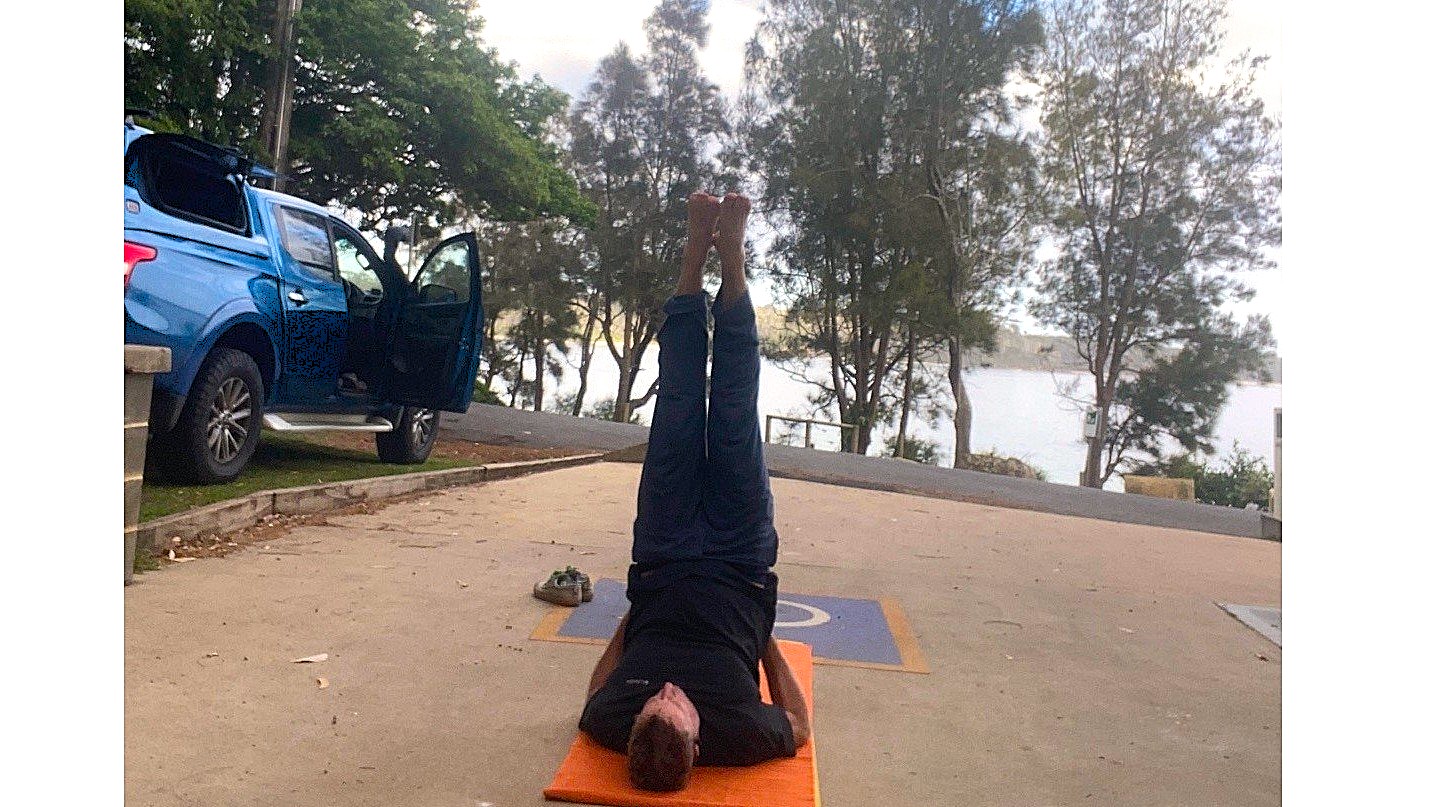
I also did 40 minutes of yoga every morning before treatment. There’s extensive evidence about the benefits of exercise for recovery of cancer patients. I can only say it seemed to make an enormous difference for me with no fatigue and a quick recovery.
For anyone about to get treatment, good luck, practice diets ahead of time and walk, walk, walk.
Related posts (by the same author)
- The road to dry nights after prostate cancer surgery
- Getting from leaking more than a litre a day to dry(ish) days
- PSA rising after treatment
- Personal action including diet changes and fitness after PSA rise
- Men talking about sexual health
- Improving PSMA PET scans
- Pro-erectile mechanisms that worked for me
- The hormones that get in the way of erectile function
- Journey to salvage radiation
Discover more from Recovering Man
Subscribe to get the latest posts sent to your email.
Like Rhys said, none of the useful and helpful medications are recommended by Oncology. When I had my pre-treatment talk by the oncology nurse, I thought “no worries” that’ll be a walk in the park. It turned into a walk through hell, nothing but fire and brimstone.
And another point with medications and treatment? Everybody I came across was at least twice my body weight. Makes no difference?
But hey, they followed the “Gold Standard” established years ago so all must good.